
Voice AI vs. answering services: a 2026 comparison
Traditional answering services charge per minute and read scripts. Modern AI voice agents do more, faster, and cheaper. Here's an honest side-by-side.
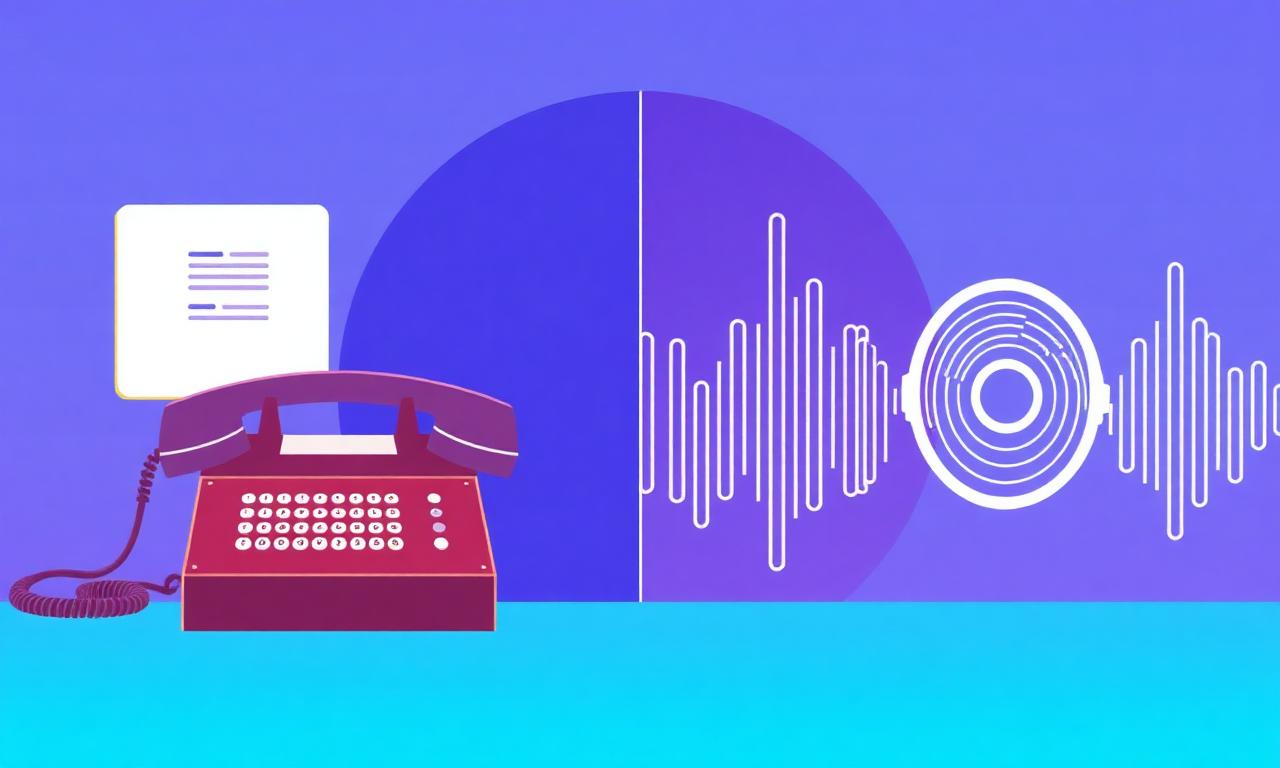
Answering services have been the default for medical and legal offices for thirty years. In 2026 they're being quietly replaced by AI voice agents — not because AI is trendy, but because the math has changed.
Cost
A typical answering service costs $1.20 to $2.50 per minute, billed in 30-second increments. A busy practice with 200 after-hours minutes per month spends $250 to $500 — for message-taking only. Modern AI voice agents replace that with a flat monthly fee, usually well under what you spend on takeaway coffee for the team.
Capability
Answering services take messages. AI voice agents take messages, qualify leads, check calendars, book appointments, send confirmations, route emergencies, and follow up by SMS. The capability gap is no longer subtle.
Speed and consistency
A human operator handles one call at a time and has good days and bad days. An AI voice agent answers every call on the first ring, follows the same script perfectly, and scales to ten simultaneous calls without breaking a sweat.
Where humans still win
Empathy in genuinely difficult moments — a grieving family member, a patient in real distress — is still better handled by a person. The right setup uses AI for the 90% of calls that are routine and routes the 10% that aren't to a human on call.
What to look for in 2026
- Natural-sounding voice (not the 2023 robot cadence).
- Domain-specific training for your industry.
- Direct integrations with your calendar, CRM, and SMS tools.
- Clear call recordings, transcripts, and analytics.
- Transparent escalation rules.
If your practice still uses an answering service for after-hours coverage, the upgrade pays for itself the first month.